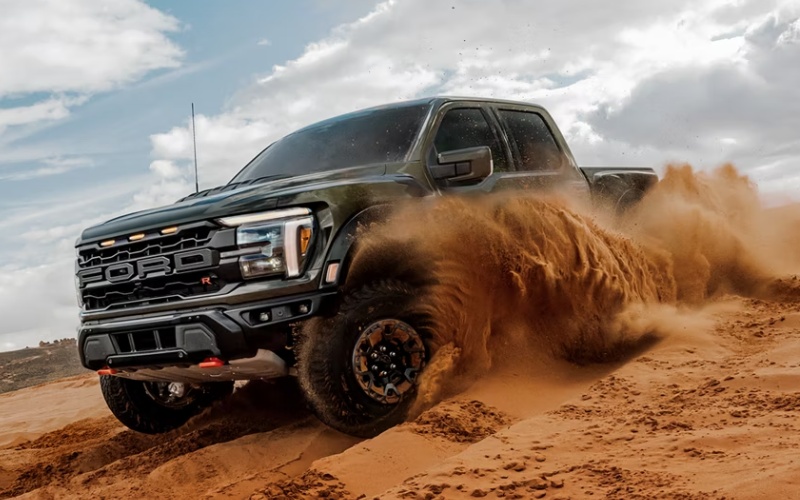
Tim Short AutoPlaza - What to Know About A Used Ford F-150
If you are exploring a used full-size pickup, the Ford F-150 consistently rises to the top for good reasons. It blends confident capability with everyday comfort, offers a broad spread of engines and trims, and enjoys a deep supply of parts and accessories. In other words, you can set one up as a dependable work partner, a family-ready daily driver, or a weekend tow rig without overcomplicating ownership.
This guide walks through what matters most when shopping for a pre-owned F-150 in the Lexington area. You will find practical tips on trims and engines, model-year highlights, towing and payload know-how, inspection points, and smart next steps to make sure the truck you pick is the right match for your needs and budget.
Why the F-150 Works So Well As a Used Buy
The F-150’s appeal starts with choice. Across recent generations, you will find multiple cabs, beds, engines, and axle ratios, along with purpose-built packages that emphasize towing, off-road ability, or upscale comfort. That flexibility means you can often find the exact configuration you want on the used market without paying for features you do not need.
It also helps that the F-150 tends to be easy to live with. Ride quality is civilized for a body-on-frame truck, interior layouts are intuitive, and there is strong support from both Ford and the aftermarket for maintenance, repairs, and upgrades. Whether you need simple durability or a premium interior with modern tech, there is usually a trim that aligns with your priorities.
- Cab and bed choices: Regular Cab, SuperCab, and SuperCrew options pair with 5.5-, 6.5-, or 8-foot beds to balance passenger space and cargo length.
- Engine variety: Options have included V6, turbocharged EcoBoost V6s, a 5.0L V8, and even a diesel in select years, letting you tailor torque, efficiency, and sound to your preference.
- Trim strategy: XL and XLT focus on value, Lariat and King Ranch add comfort and luxury, while off-road oriented packages like FX4 or Tremor enhance trail readiness.
- Technology fit: Look for SYNC infotainment, Apple CarPlay and Android Auto in later years, and driver-assistance features such as adaptive cruise and blind-spot monitoring.
- Budget alignment: Broad availability means you can compare many similarly equipped trucks and choose the best-maintained example in your price range.
Model-Year Highlights Worth Knowing
Starting in 2015, the F-150 adopted an aluminum-intensive body over a high-strength steel frame. The result was notable weight savings, which can help with efficiency and responsiveness. You will also appreciate that aluminum body panels resist rust in areas where corrosion might otherwise creep in over time.
From 2018 on, many trucks gained the 10-speed automatic transmission, which pairs well with multiple engines and helps keep the powerband in the sweet spot whether you are cruising or towing. The 5.0L V8 remains a favorite for its traditional character and proven longevity, while the 2.7L and 3.5L EcoBoost V6 engines deliver strong low-end torque that is great for everyday drivability and confident merging.
Safety and in-cabin technology also improved through these years. Later models are more likely to include advanced driver-assistance features, larger touchscreens, and smartphone integration. If modern connectivity is a priority, focus your search on trucks with SYNC 3 or newer and verify the exact feature set on the specific VIN.
Towing and Payload Basics
F-150 towing and payload ratings vary widely based on engine, axle ratio, cab and bed, drivetrain, and installed packages. Two trucks that look similar on the lot may have very different capabilities. To avoid guesswork, review the door-jamb certification label and the original window sticker if available, and confirm the trailer and payload numbers for that particular VIN. When properly equipped, recent F-150s handle five-digit towing figures confidently, but you should match the truck to your trailer weight with a margin for gear and passengers.
- Must-have towing gear: An integrated trailer brake controller, factory hitch receiver, and 7- or 4-pin wiring simplify setup and improve safety.
- Axle ratio check: A numerically higher ratio generally helps towing performance but may reduce highway fuel economy.
- Cooling and charging: Factory tow packages often add upgraded cooling and a higher-output alternator, helpful for long grades and accessory power.
- Mirrors and visibility: Tow mirrors and a backup camera with trailer guidance lines make hooking up easier and safer.
- Tires and load range: Verify tire load ratings align with the payload and tongue-weight requirements of your use case.
What to Inspect Before You Buy
A careful inspection is the best way to separate a strong used F-150 from one that may need short-term investment. A pre-purchase evaluation by a trusted technician pays for itself, but there is plenty you can check right on the lot and during a test drive.
- Service records: Prefer trucks with documented oil changes, transmission services, brake work, and cooling system maintenance.
- Frame and underside: Look for surface rust vs. structural corrosion on the frame, crossmembers, brake lines, and suspension mounting points.
- Bed and tailgate: Check for signs of heavy use, cracked bedliner, and proper tailgate operation including any step or assist features.
- 4x4 system: Engage 4WD High and 4WD Low in a safe area to confirm smooth engagement and no binding or warning lights.
- Transmission behavior: The 6- and 10-speed automatics should shift cleanly; note any hesitation, flare, or hard shifts when warm and under light throttle.
- Turbo engines: On EcoBoost models, listen for unusual whistles, check for oil residue near charge pipes, and verify strong, consistent acceleration.
- Electronics and tech: Test every window, lock, camera, sensor, seat function, and infotainment feature to avoid chasing intermittent issues later.
- Tires and brakes: Uneven tire wear can signal alignment or suspension concerns; pulsation under braking may indicate warped rotors.
On your test drive, include a mix of city streets and highway. Lightly accelerate through the gears, brake firmly a few times to feel for vibration, and travel over a rough surface to listen for suspension clunks. If you will tow, ask to verify trailer light connections and test the integrated brake controller if equipped.
Ownership Costs and Long-Term Confidence
Routine maintenance is straightforward and reasonably priced compared with many full-size trucks. Sticking to oil and filter changes, transmission services at proper intervals, and brake and tire upkeep goes a long way toward keeping ownership costs predictable. The 5.0L V8 appeals to drivers who favor simplicity and a classic sound, while EcoBoost engines reward those who appreciate strong torque and often better efficiency when driven with a light foot. As with any modern turbo engine, timely maintenance and quality fluids are key.
To add peace of mind, our qualifying used vehicles include a complimentary 3-Month/3,000-Mile Limited Powertrain Warranty and a 3-Day/300-Mile Exchange Policy. Our team can also help you compare extended service contract options and tailor financing to your budget, serving Nicholasville, Georgetown, and Richmond with a streamlined, transparent process.
Your Simple Path to the Right F-150
- Clarify your use case: Daily commute, jobsite hauling, camper towing, or a mix will guide cab, bed, and engine choices.
- Choose must-have features: Decide on 4x4, tow package, driver-assistance tech, and interior comforts like heated seats or leather.
- Verify capability: Confirm payload and tow ratings for the exact VIN and match them to your trailer and cargo needs.
- Evaluate condition: Review history reports, service records, and a multi-point inspection to confirm the truck’s health.
- Plan the budget: Factor in insurance, maintenance, and potential accessories like bed covers, mats, and tie-downs.
- Complete the drive: Take a thorough test drive that mirrors your real-world use before you sign.
Frequently Asked Questions:
Which F-150 engine is best for everyday driving?
The 2.7L EcoBoost strikes a great balance of pep and efficiency for commuting and light hauling. If you want traditional V8 character and strong durability, the 5.0L is a solid bet. For frequent towing, the 3.5L EcoBoost’s torque is confidence-inspiring.
How do I know a specific truck’s towing capacity?
Towing varies by engine, axle ratio, cab, bed, drivetrain, and packages. Check the door-jamb certification label and original window sticker if available, and verify by VIN using manufacturer resources to confirm the exact rating for that truck.
Are aluminum body panels a concern on 2015 and newer models?
Aluminum resists rust and helped reduce weight, which benefits performance and efficiency. Repairs may require body shops with aluminum experience, but many are equipped for it today. Inspect for dents or prior repair quality as you would with any used vehicle.
Is 4x4 worth it if I rarely leave pavement?
If you face unpaved job sites, occasional trailheads, or steep driveways, 4x4 adds traction and resale appeal. If you are strictly urban and prioritize efficiency, a 4x2 might suit you better and usually costs less upfront.
What mileage is too high for a used F-150?
Mileage is one factor, but condition and maintenance matter more. A well-kept F-150 with higher miles can be a smarter purchase than a lower-mile truck with gaps in care. Prioritize documented service, clean shifting, and a thorough inspection.
Ready to compare trucks, see capability labels in person, and take a confident test drive around Lexington? Our team is here to help you zero in on the right configuration, walk you through financing options, and get you on the road quickly. Visit Tim Short AutoPlaza to start your used Ford F-150 search with a transparent, customer-first approach.