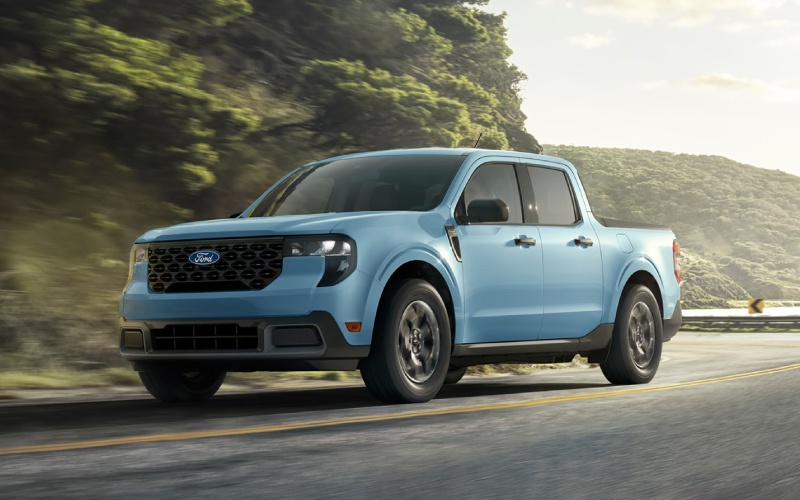
Tim Short AutoPlaza - Used SUV or Used Truck Choices for Nicholasville, KY Drivers
Choosing between a used SUV and a used truck is one of the most practical vehicle decisions a Central Kentucky driver can make. Both body styles offer real advantages, but the right choice depends on how your vehicle supports your workday, family schedule, hobbies, commute, and future plans. A used SUV is usually attractive for shoppers who want comfortable seating, covered cargo space, easier parking, and the flexibility to handle passengers and gear without much planning. A used truck appeals to drivers who need an open bed, towing strength, payload capacity, and a more utility-focused layout. Around Nicholasville, KY, many shoppers travel between neighborhood streets, retail areas, rural routes, and regional highways, so the best pre-owned vehicle should feel comfortable in everyday traffic while still supporting the tasks that come up after work or on weekends.
At Tim Short AutoPlaza, we help shoppers compare used SUVs and used trucks with a practical, needs-first approach. Our pre-owned selection includes multiple body styles, and our process is built around giving customers access to vehicle history information, thorough checks, financing support, trade-in options, and added confidence through qualifying warranty and exchange benefits. That matters because buying used is not only about choosing a model name. It is about understanding condition, equipment, maintenance background, mileage, drivetrain, towing features, seating layout, and how the vehicle has been used. A truck that spent most of its life as a commuter may differ greatly from a truck used for regular towing, while an SUV with consistent care and the right drivetrain may be an excellent fit for long-term daily driving.
When a Used SUV Makes the Most Sense
A used SUV is a strong choice when passenger comfort and flexible space are top priorities. Many SUVs offer two-row or three-row layouts, fold-down rear seats, available all-wheel drive, helpful cargo organization, and driver assistance technology. This makes an SUV useful for school routines, work commutes, youth sports, shopping trips, road trips, and daily errands. The enclosed cargo area is also a major benefit because luggage, groceries, electronics, pets, and personal items stay protected from road debris and outside exposure. For drivers who do not tow often or carry messy equipment, an SUV can provide a cleaner, quieter, and more passenger-focused experience.
Used SUVs also tend to feel familiar for drivers moving out of a sedan or minivan. Visibility is often higher than in a car, but many crossovers remain easy to park and maneuver. Compact SUVs can be efficient and convenient for solo commuters or small families, midsize SUVs can balance comfort and capability, and full-size SUVs can provide more seating and towing ability. Shoppers should compare rear-seat access, cargo height, infotainment condition, tire wear, service records, and whether the drivetrain matches local driving needs. All-wheel drive can be useful for confidence on slick pavement or gravel drives, but front-wheel drive may be sufficient for many daily routes.
When a Used Truck Is the Better Fit
A used truck becomes the better choice when utility needs are more than occasional. If you regularly move tools, landscaping supplies, building materials, bikes, small trailers, farm equipment, or recreational gear, an open bed offers convenience that an SUV cannot fully match. Trucks are also easier to adapt with accessories such as bed liners, tonneau covers, toolboxes, tie-down systems, running boards, and towing equipment. For many buyers, the ability to keep dirty or bulky cargo outside the cabin is a deciding factor.
Truck shoppers should pay close attention to configuration. Cab style affects passenger room, bed length affects hauling flexibility, and engine choice affects towing ability and fuel use. A crew cab may be best for families or coworkers, while an extended cab or regular cab can work for drivers who prioritize bed space or simplicity. Four-wheel drive may be valuable for unpaved access, work sites, boat ramps, or rural property use, but rear-wheel drive can be a practical option for drivers who stay mostly on pavement. Before buying, it is wise to review frame condition, suspension components, brake wear, tire condition, hitch equipment, bed wear, and service history.
Key Questions to Ask Before You Decide
- Passenger needs: How many people ride with you during a normal week, and how often do rear-seat passengers need easy access?
- Cargo habits: Do you usually carry clean personal items, or do you often move tools, equipment, supplies, or oversized cargo?
- Towing plans: Will you tow a trailer, camper, boat, mower, or utility trailer, and is towing frequent enough to require a truck?
- Parking comfort: Will the vehicle fit comfortably at home, work, shopping centers, downtown areas, and tight neighborhood spaces?
- Ownership priorities: Are fuel economy, maintenance costs, resale value, capability, comfort, or technology most important?
These questions help narrow the decision quickly because each body style has a clear personality. A used SUV rewards drivers who want flexibility without managing an open bed. A used truck rewards drivers who value strength, towing confidence, and cargo separation. If your week includes commuting and family driving with only occasional hauling, an SUV may be easier to live with. If hauling or towing is part of your regular routine, a truck may be the more satisfying long-term choice. Either way, the smartest shopping process includes a test drive on roads similar to your normal route, a close look at cargo access, and a review of ownership history.
Financing and Trade-In Planning
Financing should be part of the comparison, not an afterthought. Used SUVs and used trucks can vary widely based on age, mileage, condition, trim level, drivetrain, and equipment. A buyer comparing a well-equipped SUV with a towing-ready truck should consider more than the monthly payment. Fuel use, tire size, insurance, maintenance needs, and future resale appeal can all affect long-term satisfaction. Starting with a finance application can help clarify direction, and bringing basic documents such as identification, income proof, residency proof, and credit-check consent can make the process smoother.
Trade-in planning can also make the upgrade simpler. If your current vehicle no longer fits your routine, applying its value toward your next purchase may help you move into a better match. Some shoppers move from an SUV to a truck after taking on more property projects or towing needs. Others move from a truck to an SUV when passenger comfort, commute efficiency, or enclosed storage becomes more important. Our team focuses on helping shoppers compare those changes clearly, with guidance that supports practical decision-making rather than pressure.
Local Driving Needs Matter
Drivers serving Nicholasville, Georgetown, and Richmond often need a vehicle that can handle more than one type of road. A daily routine may include residential streets, shopping corridors, interstates, two-lane roads, and occasional gravel or rural access. This is where the SUV-versus-truck decision becomes more personal. A crossover SUV may be ideal for a commuter who wants easy handling and usable cargo room. A three-row SUV may work well for growing families. A midsize pickup may suit a driver who needs weekend hauling without moving into a larger truck. A full-size pickup may be best for heavier trailers or frequent work needs.
Technology and safety features deserve attention as well. Many used SUVs and trucks offer backup cameras, blind spot monitoring, parking sensors, trailer assist features, adaptive cruise control, smartphone connectivity, and advanced braking support. The availability of these features depends on year, trim, and equipment, so shoppers should compare individual vehicles instead of assuming every model has the same features. Interior condition is also important. Check seat wear, cargo-area scuffs, infotainment function, climate controls, and storage usability. Small details can have a large impact on daily satisfaction.
Frequently Asked Questions:
Is a used SUV more practical than a used truck?
A used SUV can be more practical for passengers, commuting, enclosed cargo, and everyday errands. A used truck is more practical when towing, hauling, or transporting bulky items is a regular need.
Should I choose all-wheel drive or four-wheel drive?
All-wheel drive is common on SUVs and can improve everyday traction. Four-wheel drive is common on trucks and is often better for demanding surfaces, job sites, rural access, and heavier-duty use.
How do I know if a used truck has been used hard?
Look for excessive bed wear, hitch wear, suspension sag, uneven tire wear, frame concerns, brake wear, and gaps in service history. A professional inspection and history report are valuable.
Can an SUV tow enough for weekend use?
Some SUVs can tow small trailers, campers, or recreational equipment when properly equipped. Always confirm the exact towing rating for the specific vehicle, not just the model name.
The best next step is to compare both body styles side by side. Sit in the cabin, open the cargo area or truck bed, test rear-seat access, check visibility, and drive the vehicle in conditions similar to your normal routine. A used SUV and a used truck can both be excellent choices when matched correctly to the driver. With the right guidance, vehicle history details, financing support, and inventory access, shoppers can feel confident choosing a pre-owned vehicle that fits today and remains useful for the years ahead.