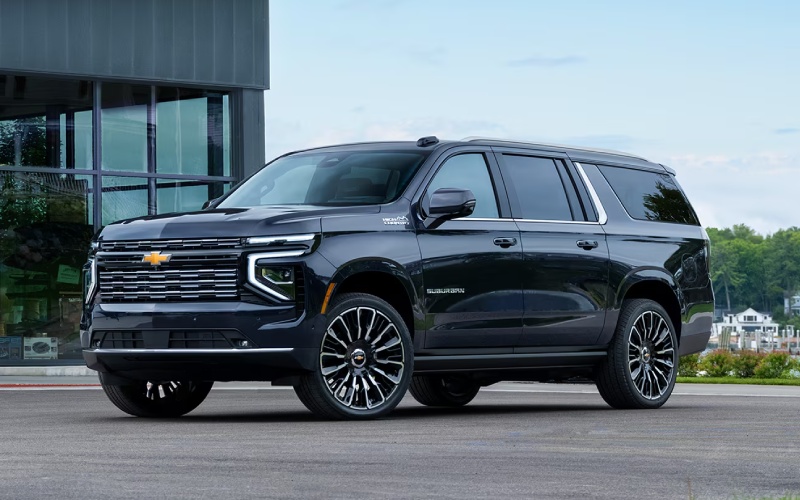
Tim Short AutoPlaza - GMC and Chevrolet Used-Vehicle Shopping Tips around Winchester, KY
GMC and Chevrolet are two of the most frequently compared brands in the used-truck and used-SUV market, and for good reason. Both are part of the General Motors family, both have strong histories in American driveways and job sites, and both offer vehicles that fit real daily needs across Central Kentucky. Shoppers looking around Winchester, KY often want a vehicle that feels comfortable on local roads, confident on I-64 or I-75, and useful for everything from commuting to family travel to towing. A used Chevrolet may stand out for straightforward capability and familiar practicality, while a used GMC may appeal to a shopper who wants a more polished design and upscale feel. The key is not simply choosing one brand over the other. The better approach is comparing actual vehicles, including trim level, mileage, condition, equipment, history, and how each model supports your routine.
At Tim Short AutoPlaza, we help shoppers compare vehicle types across a large pre-owned selection, including trucks, SUVs, sedans, vans, hatchbacks, coupes, and convertibles. That range matters because a shopper may arrive looking for a Chevrolet Silverado and realize a GMC Sierra offers the preferred cabin layout, or a shopper may start with a GMC Terrain and find that a Chevrolet Equinox provides the right balance of size and simplicity. Our process is designed to be informative and practical, with vehicle history details, inspection-focused confidence, finance support, trade-in options, and the ability to sell a current vehicle. We are proud to support drivers throughout the region, serving Georgetown, Richmond, and Winchester with a customer-focused approach to used-vehicle shopping.
GMC vs Chevrolet: What Is the Real Difference?
The biggest difference between GMC and Chevrolet is brand personality. Chevrolet generally covers a broader mainstream lineup and often focuses on function, value, and everyday usability. GMC concentrates heavily on trucks and SUVs with a more upscale design language, especially in higher trims. In many cases, comparable models share related engineering, which can include similar engines, transmissions, frame designs, towing capability, or safety technology depending on the model year. That shared foundation is helpful for used buyers because it means both brands can deliver proven GM capability. The deciding factors often become comfort, styling, features, and the condition of the specific vehicle.
For example, a Chevrolet Silverado and a GMC Sierra can both be excellent truck choices. A Silverado may feel ideal for a shopper who wants a direct, work-ready cabin and broad trim availability. A Sierra may feel right for a buyer who wants a more premium appearance, distinctive front-end styling, and interior upgrades on select trims. The same logic applies to SUVs. Chevrolet Tahoe and GMC Yukon models can both provide impressive passenger room and towing usefulness. Chevrolet Traverse and GMC Acadia models can both make sense for families, with differences in size, cabin layout, and trim feel depending on year.
How to Compare Used Trucks
Used truck shoppers should begin with capability, but capability means more than a big engine. Think about bed length, cab configuration, payload needs, trailering equipment, drive type, axle ratio when available, maintenance history, and how comfortable the truck feels during normal driving. A crew cab may be essential for family use, while a longer bed may matter more for tools or equipment. Four-wheel drive can be valuable for rural properties, gravel routes, steep driveways, and work-related travel, but a well-kept two-wheel-drive truck may be a smart choice for drivers focused mostly on pavement and fuel-conscious daily use.
- Cab configuration: Crew cab models usually provide the most rear-seat space, while double cab and regular cab layouts can fit different work and budget priorities.
- Bed size: Short beds are easier to maneuver, while longer beds support larger materials, equipment, and recreational gear.
- Towing setup: Look for hitch equipment, trailering technology, cooling features, brake controller availability, and documented maintenance.
- Interior comfort: Compare seat support, visibility, storage, infotainment usability, and noise levels during a test drive.
How to Compare Used SUVs
For SUV shoppers, the right GMC or Chevrolet depends on passenger space, cargo access, driving feel, and technology. A compact SUV such as a Chevrolet Equinox or GMC Terrain can be easy to park and efficient for everyday driving. A midsize SUV such as a Chevrolet Traverse or GMC Acadia can offer more flexibility for families, road trips, and gear. A full-size SUV such as a Chevrolet Tahoe or GMC Yukon can support towing, three-row comfort, and a commanding driving position. Used SUV shopping should include checking second-row comfort, third-row access, cargo room behind the rear seats, camera systems, driver-assist features, and tire condition.
It is also helpful to consider how the SUV will be used most often. A driver with a long commute may prioritize seat comfort, fuel economy, infotainment, and quietness. A family may focus on easy-clean materials, rear climate controls, charging ports, and cargo space for strollers or sports bags. A shopper who tows a boat, trailer, or small camper should focus on engine choice, tow rating, hitch equipment, and service history. GMC and Chevrolet both provide strong SUV options, so the best answer comes from matching the vehicle to the job.
Financing, Trade-Ins, and Purchase Confidence
A used-vehicle comparison should also include the ownership process. Financing can influence which GMC or Chevrolet fits comfortably into a household plan, and a trade-in can make the next step simpler. Shoppers can often begin online by completing a secure finance application, reviewing inventory, and estimating trade-in direction before visiting. A strong dealership process also helps buyers understand what to bring for financing, such as identification, proof of income, proof of residency, a social security number, and consent for a credit review. Credit histories vary, and a supportive finance team can explore lender options for many situations.
Confidence after purchase matters as well. Qualifying used vehicles may include limited powertrain warranty coverage for major components such as the engine, transmission, and drive axles, based on eligibility and terms. An exchange policy on qualifying vehicles can also help shoppers feel more comfortable after taking a vehicle home. These support tools do not replace careful comparison, but those tools can make the overall experience feel clearer and more manageable. When comparing GMC and Chevrolet, ask about inspection details, history reports, warranty eligibility, exchange policy requirements, and the long-term support available after the sale.
Frequently Asked Questions:
Should I buy a used GMC Sierra or Chevrolet Silverado?
Both can be excellent choices. Compare the exact truck based on engine, cab size, bed length, towing equipment, mileage, maintenance history, condition, and features. Silverado often feels straightforward and practical, while Sierra often adds a more premium design approach.
Is a GMC SUV more luxurious than a Chevrolet SUV?
GMC SUVs often lean more upscale in styling and trim presentation, but a higher-trim Chevrolet can feel very well equipped. Compare the specific model year and trim rather than relying only on the badge.
What should I check before buying a used GM truck or SUV?
Review the vehicle history report, inspection details, tire condition, brake feel, service records when available, drivetrain operation, technology features, and comfort during a test drive. For towing, confirm proper equipment and capability.
Can I sell or trade my current vehicle while shopping?
Yes. Many shoppers use a trade-in or sell a current vehicle to simplify the buying process. This can help with planning and make the transition into a used GMC or Chevrolet more convenient.
GMC and Chevrolet both deserve serious consideration because each brand offers real strengths for Central Kentucky drivers. Chevrolet can be a smart fit for everyday practicality, broad model choice, and dependable utility. GMC can be the right match for shoppers who want a bolder look, refined details, and a premium truck or SUV feel. The smartest move is to compare real vehicles side by side, ask good questions, and choose the one that best fits your driving habits, passenger needs, cargo demands, and long-term ownership goals.