Tim Short AutoPlaza - A Practical Used Jeep Wrangler Guide for Weekend Explorers around Richmond, KY
Used Jeep Wrangler shopping is most rewarding when your research matches the way you actually drive. Around Richmond, KY, that usually means early-morning I-75 runs, errands along Eastern Bypass, and the occasional gravel pull-off toward the Kentucky River Palisades or the foothills beyond Berea. The Wrangler can ace all of it if you choose the right mix of wheelbase, gearing, roof style, and tires. Let’s turn the questions most shoppers ask into a simple, local-first approach that keeps your budget, comfort, and capability in balance.
Body Style and Trim Choices That Fit Richmond Routines
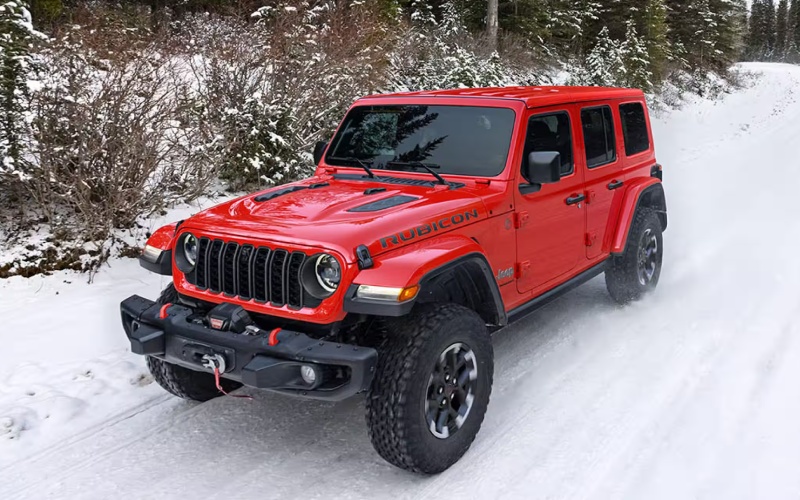
The two-door Wrangler shines in tight parking near downtown or campus, with a short wheelbase that feels nimble in older neighborhoods. The four-door Unlimited brings family-friendly legroom and a calmer highway ride, especially helpful for steady 70 mph stretches on I-75. Sport trims keep costs and complexity down, Sahara smooths out daily driving with more comfort features, and Rubicon switches on the serious hardware for trail days with locking differentials, rock rails, and an electronic sway-bar disconnect. If most of your time is on pavement with occasional dirt or snow lots, Sport S or Sahara with all-terrain tires may be the sweet spot.
Powertrain choice is about feel as much as specs. The 3.6L Pentastar V6 is the Wrangler staple for a reason: predictable power, long-term durability, and a broad service base. The JL’s 2.0L turbo adds lively midrange torque that feels right at home darting into traffic gaps near exit ramps and climbing gently rolling highways. If you tow light loads or load up with camping gear, verify axle ratios and consider how tire size will affect acceleration, braking, and speedometer accuracy.
What to Inspect Before You Fall in Love
Wranglers are built to get dirty, but that doesn’t mean the one you buy should start with mechanical surprises. A careful underbody check can tell you whether a rig got knocked around on rocks or simply carried kayaks to the river a few weekends each summer. You want clean, straight frame rails, undamaged skid plates, and tight steering components that return to center without wandering. Lift kits and big tires are fine when done with proper geometry corrections, but vague handling or bump-steer means you need documentation and an alignment printout.
- Frame and rust points: Inspect along frame rails, body mounts, and suspension brackets for flaking, perforation, or fresh undercoat hiding issues.
- Top and seals: Freedom-panel hardtops should sit flush; soft-top stitching and zippers must be intact to keep the cabin dry and quiet.
- Driveline health: Listen for clicks in tight turns, check for seepage at pinion seals and transfer case, and ensure smooth 4WD engagement.
- Electrical add-ons: Extra lights or winches should have fused, tidy wiring, clean battery terminals, and solid mounting.
- Brake and tire condition: Look for even tread wear, no sidewall damage, and a firm, linear brake pedal on test drives.
On your route, mix surface streets and a short highway stint. Test crosswinds across bridges and a few steady-lane miles at 65-70 mph. A Wrangler that tracks straight, brakes without pulsation, and keeps wind noise managed under the roof style you prefer is a better daily companion.
Setting Expectations on Costs and Comfort
Ownership costs are predictable once you account for tire size, alignment frequency, and maintenance intervals. Larger tires and wheels add weight and can shorten brake and suspension life if gearing isn’t matched. You will want to rotate tires on schedule and plan for fluid services in the transfer case and axles. Insurance is often friendly for stock or lightly modified Wranglers; heavily altered builds can raise premiums. The good news is that genuine Jeep parts availability is excellent, and many wear items are straightforward to service.
Comfort is about choices. A hardtop is quieter on longer drives to and from Louisville or Lexington. Dual-top Wranglers widen your season by giving you the best of both worlds. Seats vary by trim and year, so try different configurations if you have a sensitive back or commute beyond 30 minutes. Uconnect infotainment improves markedly in the JL era; if smartphone integration is a must-have, focus on those model years or plan for a clean factory-style upgrade.
Smart Questions That Lead to Better Test Drives
Great buys come from great questions. Ask for service records, including differential fluid history. Confirm axle ratios on the build sheet if tire size is larger than stock. Request proof of professional installation for lifts and steering components, including caster correction numbers. When you drive, aim for a route that mirrors your reality: some stop-and-go near Kroger on the Bypass, then brief highway, then a rougher lot or side road to hear how the cabin reacts over uneven surfaces. Try removing and reinstalling top panels to see how manageable the system is for you and your garage height.
If you are upgrading from a sedan or crossover, give yourself time to calibrate to the Wrangler’s upright seating position and sight lines. Visibility with the top and doors you expect to use is key. Make sure mirrors are adjusted for wide shoulders and that you can back into tighter parking with confidence.
Frequently Asked Questions:
What Wrangler year offers the best value for daily driving?
Many shoppers find 2012-2018 JK models to be strong values thanks to the 3.6L V6 and updated interiors, while early JL models add better steering and modern safety and infotainment with a modest price jump.
Do I need Rubicon capability for light trails and camping?
Not necessarily. Rubicon is superb off-road, but a Sport S or Sahara with quality all-terrain tires and proper recovery gear is plenty for gravel, mild two-tracks, and trailhead parking.
Is the 2.0L turbo reliable for highway commuting?
Yes, when maintained. Its torque makes merges easy, and many owners appreciate its efficiency. Verify service records and consider a pre-purchase inspection if you want extra assurance.
How do modifications affect financing and insurance?
Well-documented, professionally installed modifications are easier for lenders and insurers to assess. Keep invoices and alignment reports, and disclose upgrades so coverage fits the vehicle you are buying.
When you are ready to compare multiple Wranglers side by side, choose a dealership team that focuses on clear inspections, history transparency, and thoughtful test routes. Tim Short AutoPlaza takes a practical approach to matching trims, drivetrains, and roof styles to how you drive across Central Kentucky. With a knowledgeable staff and a helpful finance network, you can narrow your list quickly, ask better questions, and enjoy the search rather than stress it.
Our team is committed to straightforward guidance and friendly support, serving Nicholasville, Georgetown, and Richmond with a selection that reflects how people here actually use their Jeeps. Whether your commute is short and local or split between campus, work, and long-weekend getaways, the right Wrangler setup will feel relaxed Monday through Friday and adventurous on Saturday. Bring your checklist, put a couple of candidates through real-life routes, and you will feel the difference.